
Clinical Characteristics and Cardiometabolic Control of Persons with Diabetes in the Cardiology Office in Argentina
pp. 496-502
DOI:
https://doi.org/10.7775/rac.es.v88.i6.18201Keywords:
Diabetes Mellitus, Type 2, Cardiovascular Diseases, Risk Factors, ArgentinaAbstract
Background: Cardiology has a leading role in the control and treatment of persons with type 2 diabetes mellitus (DM2). We do not have local epidemiological data about patients with DM2 treated by cardiologists.
Objectives: The aim of this study was to evaluate the clinical characteristics, cardiovascular disease (CVD) and treatment of patients with DM2 attending a cardiology office.
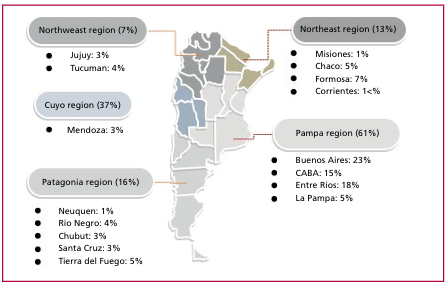
Methods: We conducted and observational study in 17 provinces of Argentina during three months.
Results: A total of 694 patients were included in the study. Mean age was 64.7±10.5 years, time of disease progression 10.7±9.3 years, body mass index 32±5.9 kg/m2, HbA1c 7.3%±1.6, and blood pressure 135/80 mm Hg. Seventy percent of the patients presented two or more risk factors, 48.1% had CVD and microvascular disease was present in 40.9% of cases (kidney disease in 31.4%, retinopathy in 10.5%, neuropathy in 8.3% and diabetic foot in 3.3%). Patients were receiving antiplatelet agents in 57.3% of cases, angiotensin-converting enzyme inhibitors or angiotensin receptor blockers (ACEIs/ARBs) in 84.3% and 79.5% were treated with statins. Hypoglycemic agents included metformin in 85.9% of patients, dipeptidyl peptidase 4 (DPP4) inhibitors in 24.1%, sulfonylureas (SU) in 14.3%, sodium-glucose co-transporter 2 (SGLT2) inhibitors in 9.8%, glucagon-like peptide 1 receptor agonists (GLP-1 RAs) in 3% and glitazones in 1.3%. HbA1C levels ≤7% were achieved by 55.9% of patients, BP <140/90 mm Hg by 61.7%, and LDL-C <100 mg/dL by 58.5% and <70 mg/dL by 28.5%.
Conclusions: Most patients with DM2 presented two or more cardiovascular risk factors and a high prevalence of associated complications. Treatment goals were achieved by a low number of patients and the use of medications with demonstrated cardiovascular benefit was low.
Downloads
Published
Issue
Section
License
Copyright (c) 2025 Argentine Journal of Cardiology

This work is licensed under a Creative Commons Attribution-NonCommercial-ShareAlike 4.0 International License.





