
Body Mass Index in Adolescents. Association with Other Coronary Heart Disease Risk Factors. Fricela Program (Preliminary Inform)
pp 49-54
DOI:
https://doi.org/10.7775/rac.v64i1.3163Keywords:
Body mass index, Cholesterol, Blood pressureAbstract
Objectives
Three hundred and nine teenagers ranging from12 to 19 years, from the FRICELA Program (Coronary Risk Factors in Adolescence) were included to determine their body mass index (Quetelet's index: kg/m2).
Material and method
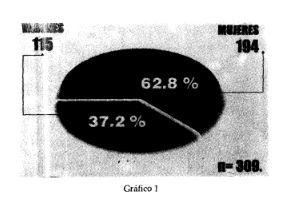
Three hundred and nine teenagers (115 men, 194 women; ages 12 to 19 years) from a research pro-gram about coronary risk factors in adolescents (FRICELA Program) were included to determine their body mass index (Quetelet's index: kg/m2).
Results
Men's mean age was higher (d 15.39 ± 2.26 vs14.64±2.16; p < 0.005). Body mass index was 21.69 t4.37 for men and 21.87 ± 4.64 for women (p = NS). The body mass index for men with or without an obese father was 23.85 ± 6.06 and 21.52 ± 4.21 (p =0.0032) respectively. Those with or without an obese mother had the following values: 24.44 ± 5.66 and21.28 ± 4.08 (p < 0.0001) respectively. Body mass index was correlated with cholesterol levels: r = 0.17 (95% CI 0.06-0.27; p < 0.01); systolic blood pressure:r = 0.35 (95% CI 0.25-0.44; p < 0.001); diastolic blood pressure: r = 0.23 (95% CI 0.12-0.33; p < 0.001).
Conclusions
Body mass index was higher in those teenagers with obese parents and has a direct correlation with cholesterol levels and systolic and diastolic blood pressure.
Downloads
Published
Issue
Section
License
Copyright (c) 2026 Argentine Journal of Cardiology

This work is licensed under a Creative Commons Attribution-NonCommercial-ShareAlike 4.0 International License.





