
Use of Antihypertensive Drugs in the Public Primary Care Level in Argentina: Experience of the Remediar Program
pp. 187-195
DOI:
https://doi.org/10.7775/rac.v77i3.2696Keywords:
Pharmaceutical Preparations, Hypertension, Prescriptions, Drug, Impacts on Health, Public HealthAbstract
Background
Hypertension (HT) is a frequent cause of drug prescription. Argentina experienced a severe socioeconomic crisis at the end of 2001 that caused a drop in access to drugs among the population, with subsequent risks in public health. In response to this situation, the Argentine State implemented the Remediar Program to supply free medications to people with scarce resources and lack of medical coverage.
Objectives
To analyze the use of antihypertensive drugs in the population assisted by the public primary care level (PCL) in Argentina, and to estimate its effectiveness in terms of the number of people with HT covered by this program.
Material and Methods
Ecological study with cross comparisons of diagnoses, prescriptions and beneficiaries by individual provinces of Remediar forms. Target population: patients with diagnosis of HT seen at 6000 health care centers in Argentina from March 2005 to February 2006.
Results
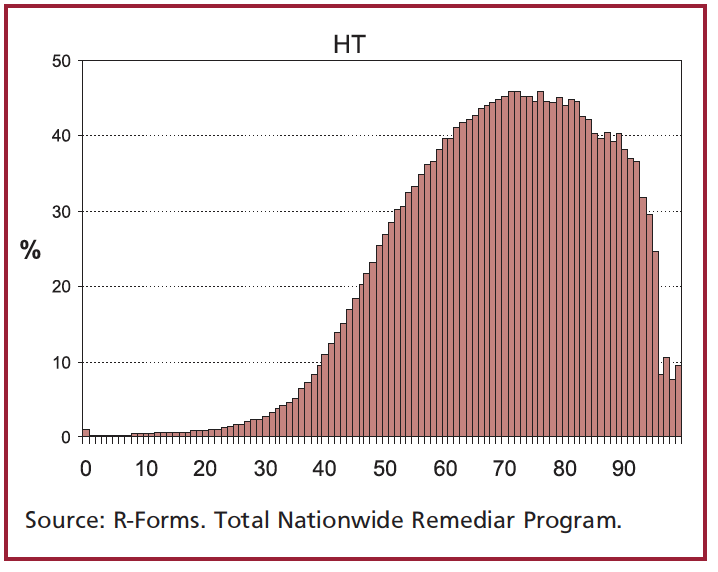
The prevalence of HT was 10.4% among 15 millions of prescriptions: 126097 prescriptions per month. This percentage was not homogeneous; it was 3 to 4 times greater in the city of Buenos Aires and in the province of La Pampa compared to the provinces of Salta and Jujuy. Drugs were prescribed as follows: enalapril 77.0%, atenolol 22.1%, hydrochlorothiazide 12.5% and aspirin 7.1%. Based on previous population statistics and on the expected prevalence of HT, we estimated that the Remediar Program fulfilled variable percentages of the population exclusively under public medical coverage: 57.3% nationwide, with important variations. In total, 74.9% of hypertensive beneficiaries received medication for 4 months a year or less.
Conclusion
The use of thiazide diuretics and aspirin was less than expected according to evidence based practice guidelines. Probably the positive impact on health care related to the supply of drugs was limited by the failure to provide a minimum annual number of effective treatments.
Downloads
Published
Issue
Section
License
Copyright (c) 2026 Argentine Journal of Cardiology

This work is licensed under a Creative Commons Attribution-NonCommercial-ShareAlike 4.0 International License.





