
SONQO-CALCHAQUÍ Program 4th Edition 2024. Evaluation of cardiovascular variables in a native high mountain community
pp. 278-285
DOI:
https://doi.org/10.7775/rac.es.v93.i4.20914Keywords:
Native population, South America, High mountains, Cardiovascular variables, EpidemiologyAbstract
Background: In Argentina, high-mountain indigenous communities have been scarcely studied due to a combination of factors, including difficult access, an isolated environment, and their closed nature. However, their habits are becoming increasingly westernized, which could affect their cardiovascular health. Through the IV Edition of the SONQO-CALCHAQUÍ Program, a cardiovascular check-up was carried out in the Coranzulí community (province of Jujuy, 4100 meters above sea level).
Objective: The aim of this study was to characterize the cardiovascular health status of the Coranzulí indigenous population.
Methods: This was a descriptive cross-sectional study. A comprehensive assessment was carried out on the residents (aged 18 years or older) who attended the IV Edition of the SONQO-CALCHAQUÍ Program (September 30 to October 4, 2024).
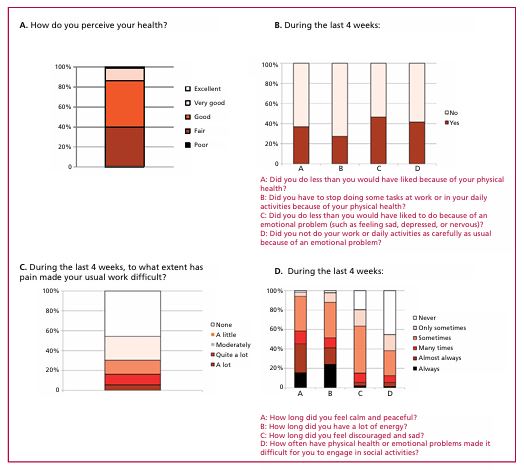
Results: A total of 241 residents (44.1±0.1 years old) were included in this study. They presented changes consistent with adaptation to life at high altitude: increased hematimetric values and low oxygen saturation. The diet preserves indigenous elements (e.g., llama meat and "anchi") associated with flours and processed foods. In general, they have good sleep quality, physical activity, and cardiovascular function. Grip strength was within the normal range in 80.3% of cases.
According to the body mass index, 0.4% were malnourished; 32.0% presented normal weight; 36.5% were overweight; 23.2% were obese; and 7.9% were morbidly obese. Waist circumference was elevated in 56.7% of the population. Systolic blood pressure was elevated in 8.8% and diastolic blood pressure in 12.6% of residents.
On the electrocardiogram, 13.3% had a right axis deviation and 7.1% had right bundle branch block. On the arterial Doppler echo, 90.0% had no atheromatous plaques.
Conclusions: Although the Coranzulí indigenous population maintains characteristics that can be considered cardioprotective, it is undergoing a westernizing process. The true role of this change in the general and cardiovascular health of this population remains to be evaluated, which requires the continuation of multisectoral studies, such as the SONQO-CALCHAQUÍ Program.
Downloads
Published
Issue
Section
License
Copyright (c) 2025 Argentine Journal of Cardiology

This work is licensed under a Creative Commons Attribution-NonCommercial-ShareAlike 4.0 International License.





