
Aortic Manual Valve Debridement of Degenerative Aortic Valve Stenosis
pp 289-296
DOI:
https://doi.org/10.7775/rac.v66i3.3465Keywords:
Surgery, Aortic stenosis, DescalcificationAbstract
Background Between October 1988 and January 1997, 103 patients who underwent to manual aortic valve debridement due to degenerative aortic valve stenosis were analyzed. Material and method Mean age 73 ± 6 years (range 65-89). All patients were symptomatic due to dyspnea or angina, mean NYHA functional class was 3.2± 1. The peak aortic valve gradient (mmHg) measured by cardiac catheterization, was 89 ± 28 mmHg. Forty-one patients (39.8%) had associated significant coronary artery disease. Results Mean follow-up was 42 ± 21 months (range 3-98). Hospital mortality rate was 5.8% (6/103 patients).Late mortality rate was21 patients (20.7%). At 98months actuarial survival was 51%. Reoperation was required in 14 patients (14.4%), in 5 patients due to severe aortic regurgitation, 8 patients because of aortic restenosis and in one patient due mitral regurgitation. At 98 months 68% were free from reoperation, 98% were free from endocarditis, and 99% free from thromboembolism. Among the 62 surviving and non reoperated patients, 59(95.1%) were asymptomatic. Multivariate analysis did not show any predictors related with mortality and reoperation. Conclusions Aortic manual valve debridement of degenerative aortic valve stenosis had low hospital mortality and minor incidence of perioperative complications than others techniques. The follow-up showed low incidence of valve endocarditis and thromboembolism. Any patients need oral anticoagulant. Re-operation was the most frequent complication. This technique can be considered an useful option in older patients with small aortic root, concomitant coronary artery bypass grafting and/or contraindication to anticoagulation.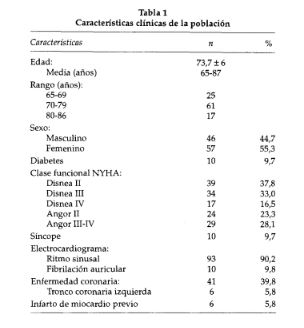
Downloads
Published
2026-03-13
Issue
Section
ORIGINAL ARTICLES
License
Copyright (c) 2026 Argentine Journal of Cardiology

This work is licensed under a Creative Commons Attribution-NonCommercial-ShareAlike 4.0 International License.





