
Cardiopulmonary Resuscitation. Experience at a General Hospital
pp 275-279
DOI:
https://doi.org/10.7775/rac.v62i3.3361Keywords:
Ventricular fibrillation, Asystole, Cardiopulmonary resuscitationAbstract
Background Cardiocirculatory arrest is frequently observed in the emergency room. We evaluated the results of the cardiopulmonary resuscitation maneuvers in a group of patients treated at the emergency room of our hospital. Method Seventy patients treated for cardiocirculatory arrest of various etiologies were included in the present study. We assessed the effects of treatment, according to the etiology and the time of delay in starting the cardio-pulmonary resuscitation maneuvers both basic and advanced. Results There was a clear predominance of cardiovascular disease, ischemic cardiopathy among them, as etiology of the arrest. The mean time of delay in starting the cardiopulmonar resuscitation maneuvers, both basic and advanced, was within the time limits recommended by the international standards. Conclusions Ventricular fibrillation at the start of resuscitation procedures as well as cardiopathies (mainly of ischemic origin) turned out to have a predictive value with regard to the success of the maneuvers. The relatively high rate of success obtained in the treatment of cardiorespiratory arrest in comparison with other reported series should be pointed out. This could be explained by the early start of the therapy in a hospitalized population.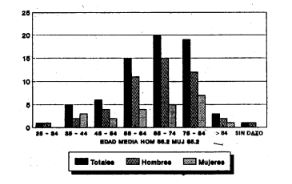
Downloads
Published
2026-03-13
Issue
Section
ORIGINAL ARTICLES
License
Copyright (c) 2026 Argentine Journal of Cardiology

This work is licensed under a Creative Commons Attribution-NonCommercial-ShareAlike 4.0 International License.





