
Automatic Implantable cardioverter defibrillator: four years experience
pp 4-12
DOI:
https://doi.org/10.7775/rac.v59i1.3177Abstract
This report describes our experience with the implantation of 16 automatic implantable cardioverter defibrillators in 12 individuals. Twelve males between 49 and 73 years old (mean 60 ± 7). Eight had coronary artery disease and four had a chagasic cardiomyopathy. The left ventricular ejection fraction had a value between 10 % and 50 % (mean 29.1 ± 13). An recipients remained refractory to multiele drug trials (mean 5.9 drugs/ patient). All were inducible by programmed electrical stimulation previowly. The extremely depressed left ventricular function and infrequent but non-localized polymorphic ventricular tachyarrhythmias were better suited for an implantable cardioverter defibrillator than a surgical or ablation procedure. Two patients received previously a pacemaker and a patient an aortic-coronary bypass. All patients were followed between 1 and 37 months (mean 19±12). All were treated with antiarrhythmic drugs and psicological support. They had between 2 and 95 shocks (mean 31:t 29). One patient had a pocket infection, one patient died at 7th day because respiratory failure it was charged to the combination of amiodarone therapy and surgical procedure, 2 patients died at 6 and 33 months because heart failure and 1 patient died in cardiac arrest at 36 months. The elective replacement was made in four patients. Eight patients remain alive. The device was indicated in patients refractory to the medical treatment. The automatic implantable cardioverter defibrillator prolongs the lives of many patients with otherwise intractable arrhythmias.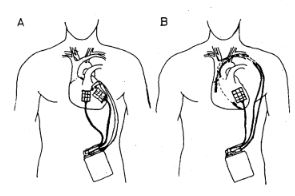
Downloads
Published
2026-04-15
Issue
Section
ORIGINAL ARTICLES
License
Copyright (c) 2026 Argentine Journal of Cardiology

This work is licensed under a Creative Commons Attribution-NonCommercial-ShareAlike 4.0 International License.





