
Absceso anular por endocarditis infecciosa . Predictores clínicos y evolución intrahospitalaria
Perivalvular Abscecces Associated with Infective Endocarditis. Clinical Features and In-Hospital Evolutio
DOI:
https://doi.org/10.7775/rac.v68i3.3130Keywords:
Infective endocarditis, Perivalvular abscesses, Valvular surgeryAbstract
Objective
The purposes of this study were to determine inpatients with active infective endocarditis-both the clinical features and the in-hospital evolution of those with perivalvular abscesses proven at surgery
Method and Results
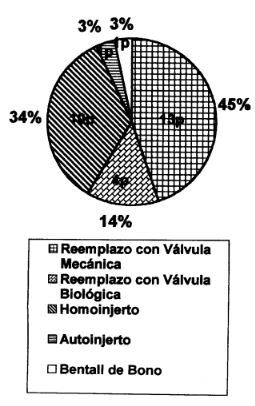
During a 6-year period (1992-1998), 118 patients with definite endocarditis according to Duke criteria were prospectively enrolled. Transesophageal echocardiographic studies were performed to all of them. Seventy-seven patients (65%) required surgery and 29(37.7%) had a perivalvular abscess diagnosed at surgery. Mean age of these patients was 54.0 ± 19.9 years. Twenty four patients (81%)were male. Omniplane transesophageal echocardiography (TEE) had a diagnostic sensitivity of 88%,with 90% of specificity. Ten patients with perival-vular abscesseshad a new conduction defect (10/29, 34.3%) versus only 9 patients in the group without abscesses (9/89, 10.1% p < 0.001). Abscesses were much more frequently localized in aortic(93.1%) than in mitral position (27vs 2 cases, p <0.01). In 13 cases(44.8%) they were seen in prosthetic valves and in 16 (55.2%) in native valves. These figures represent 30% of all prosthetic valve endocarditis (13/43) and 21% of all native valve endocarditis (16/75), p = NS. Hemocultures were positive in 79% of the patients and the microorganism more frequently isolated wasStaphylococcus aureus (41.7%) p < 0.04. Surgical treatment consisted in debridement and suture of the abscess cavity together with the insertion of a mechanical valve in (13 cases), aortic homograft (10), biological valves(4),Ross procedure (1) and Bentall deBono (1).The perioperative mortality was 18.5%, non different from the 19% seen in patients without abscesses.
Conclusions
1) Perivalvular abscesses (PVA) were predominantly observed in aortic position. 2) Omniplane TEE had a very good diagnostic sensitivity and specificity. 3) Staphylococcus aureus bacteremia was frequently associated with PVA formation. 4) There were no significant differences in the frequency of PVA between native and prosthetic valve endocarditis. 5) Nearly one third of patients with prosthetic valve endocarditis had PVA. 6) The presence of PVA did not increase surgical mortality.
Downloads
Published
Issue
Section
License
Copyright (c) 2026 Argentine Journal of Cardiology

This work is licensed under a Creative Commons Attribution-NonCommercial-ShareAlike 4.0 International License.





