
Differentiation of Human Embryonic Stem Cells into Cardiomyocytes
pp. 458-464
DOI:
https://doi.org/10.7775/rac.v77i6.2198Keywords:
Embryonic Stem Cells, Myogenesis, CardiomyocyteAbstract
Background
The role of stem cells in the treatment of several conditions, especially heart diseases, is under permanent investigation. Human embryonic stem cells have been successfully differentiated in vitro into cardiomyocytes. Methods of cell culture and cardiomyocyte differentiation are well established; signals regulating cardiogenesis have been identified and the cardiomyocytes generated have been used in models of myocardial regeneration. However, several questions still remain and are currently under active investigation.
Objective
To develop a culture system that is suitable for the induction of embryonic stem cells to cardiomyocyte differentiation.
Material and Methods
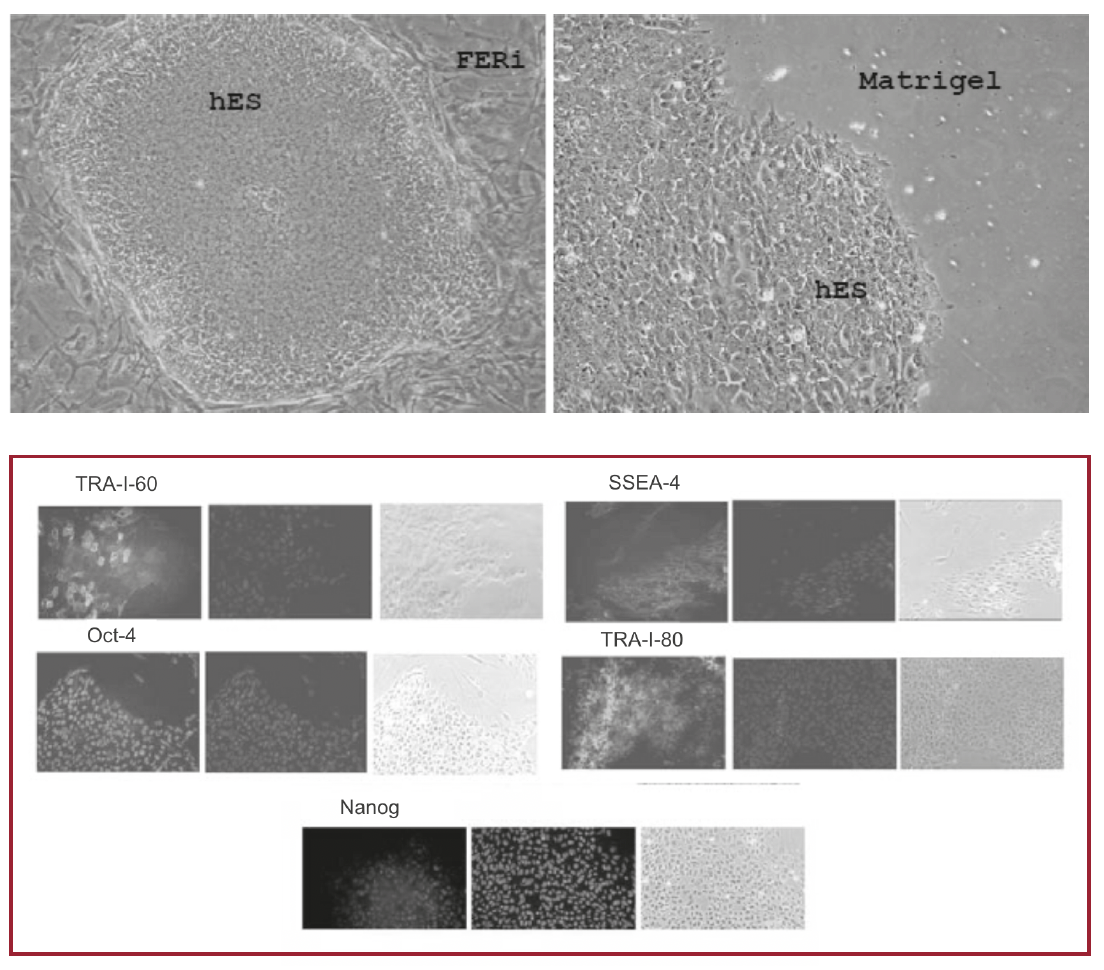
Four human embryonic stem cell lines were used. The cells were cultured and differentiation was induced using methods previously described. The presence of cells in an undifferentiated state and cardiomyocyte differentiation was detected by immunohistochemical studies (fluorescent staining) and RT-PCR.
Results
The methodology used allowed stem cells growth in the culture, and maintained them in an undifferentiated state. Cardiomyocyte differentiation was achieved in the four cell lines used, yet with uneven efficacy. This was confirmed by the expression of myocardial transcription factors and heart structural proteins.
Conclusions
Our system allowed human embryonic stem cell growth and differentiation in the culture. These preliminary results encourage us to continue developing our methods with induced pluripotent stem cells.
Downloads
Published
Issue
Section
License
Copyright (c) 2025 Argentine Journal of Cardiology

This work is licensed under a Creative Commons Attribution-NonCommercial-ShareAlike 4.0 International License.





